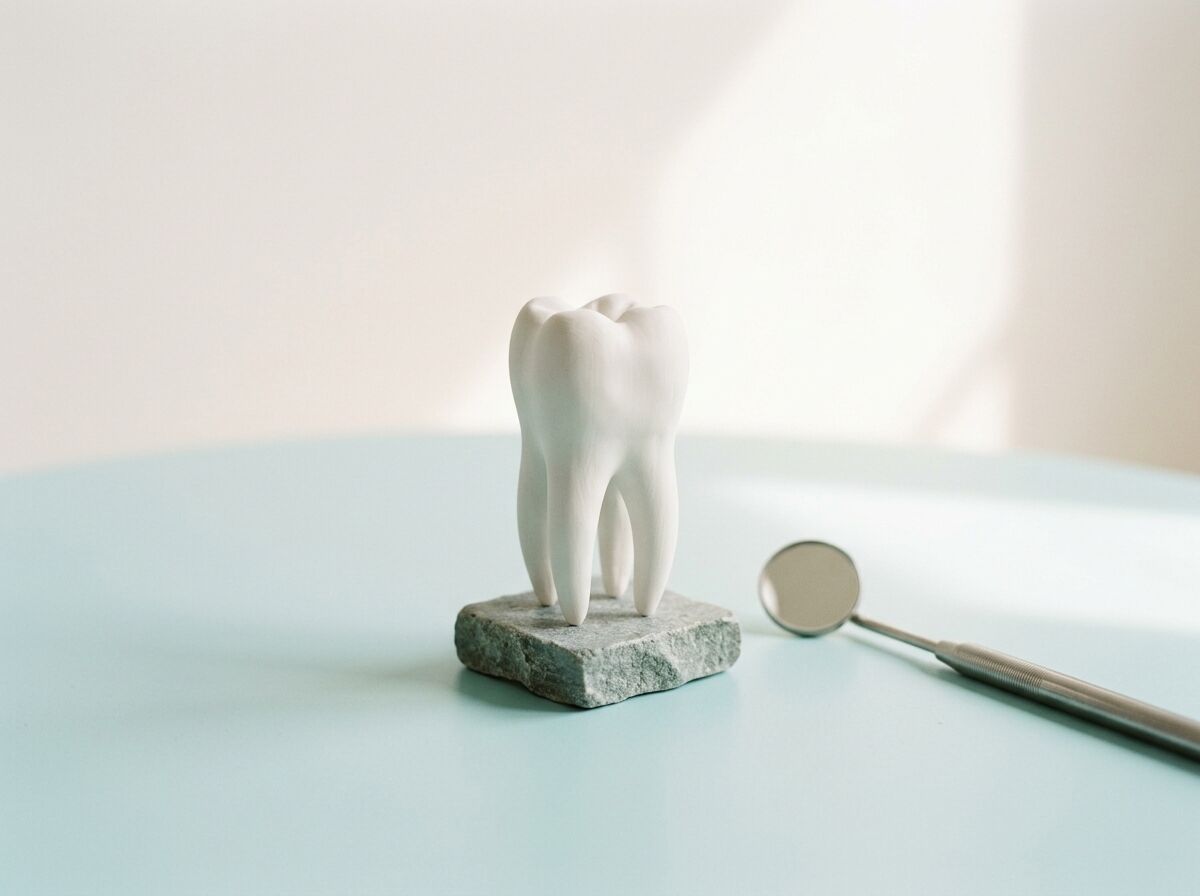
The pulp inside a tooth contains the nerves and blood vessels that nourish it. When it becomes infected or damaged, root canal treatment removes it so the tooth can be kept.
What are the benefits?
Root canal treatment saves teeth that would otherwise need to be extracted. Although the pulp is removed and the tooth is no longer alive, it can remain in your mouth.
What caused the problem with my tooth?
Most commonly severe decay or a fracture that exposes the pulp to bacteria. Other causes include a blow to the mouth, a cracked or loose filling, repeated fillings in a tooth and, occasionally, periodontal disease.
How many appointments are necessary?
Sometimes it is completed in one appointment, but usually two or three visits are needed. It is important the tooth is sterilised before it is sealed. Teeth that have been dead for a long time can need more appointments.
How long will the tooth last?
With proper restoration and care it may last over 10 years. Proper care includes regular brushing and flossing, a healthy diet and periodic check-ups.
Does it hurt?
With modern techniques, root canal therapy typically involves little or no discomfort. Often there is pain before treatment and the treatment provides relief.
Will there be pain afterwards?
There may be some slight tenderness, usually relieved by over-the-counter painkillers. If pain persists or is severe, call your dentist. 1 in 10 patients experience an infection after this treatment, which usually requires antibiotics.
How much does it cost?
The fee depends on how severe the problem is and the type of tooth: molars with two or three canals are more difficult to treat. Root canal treatment is usually more economical in the long term than replacing the tooth. See the price guide on this page.
What are the alternatives?
Can all teeth be treated?
Occasionally a tooth cannot be saved. Treatment is only possible if the canals are accessible and can be cleaned and sealed, and the tooth has enough bone support. We only carry out treatment where we can give a good long-term outlook.
Can the treatment fail?
Root canal treatment can have a success rate of up to 90%. Even when completed perfectly, infection may recur and the tooth may need further treatment or extraction. A crack in the tooth can also cause failure.
What happens after treatment?
The tooth should be examined after an interval to make sure it has healed. A definitive restoration is usually needed, and your dentist may advise a crown to protect a weakened tooth from fracture.
Root canal re-treatment
Teeth that have had root canal treatment can last as long as natural teeth, but sometimes treatment fails or symptoms persist, shortly afterwards or years later. In these cases it may be possible to carry out the treatment again.
Why does treatment fail?
Narrow or curved canals may not have been treated or cleaned fully, the tooth may have complicated anatomy that was not found initially, or the final restoration may have been placed too late or leaked because of a poor fit, fracture or recurrent decay.
Is re-treatment more complicated?
Usually, yes. The tooth is normally fully restored, sometimes with a crown, bridge or post, and the existing root filling has to be removed before the canals can be cleaned again. Your dentist may refer you to a practitioner with greater experience, or to a specialist endodontist registered with the General Dental Council.
What are the alternatives to re-treatment?
Removal of the tooth, or endodontic surgery (apicectomy), where the gum is lifted and the tip of the root is removed and sealed. Endodontic surgery is unpredictable and is a last resort to keep a tooth; it can leave scarring and the gums may recede.
For more information see the British Endodontic Society.
Root canal treatment is the last tool we have to save a tooth. It has a bad reputation, but with local anaesthetic and a patient approach it should be as simple as having a large filling. I would advise patients to compare the options for replacing the tooth against the cost and success rate of root canal treatment, and if they are determined to save the tooth, consider a referral to a specialist endodontist.